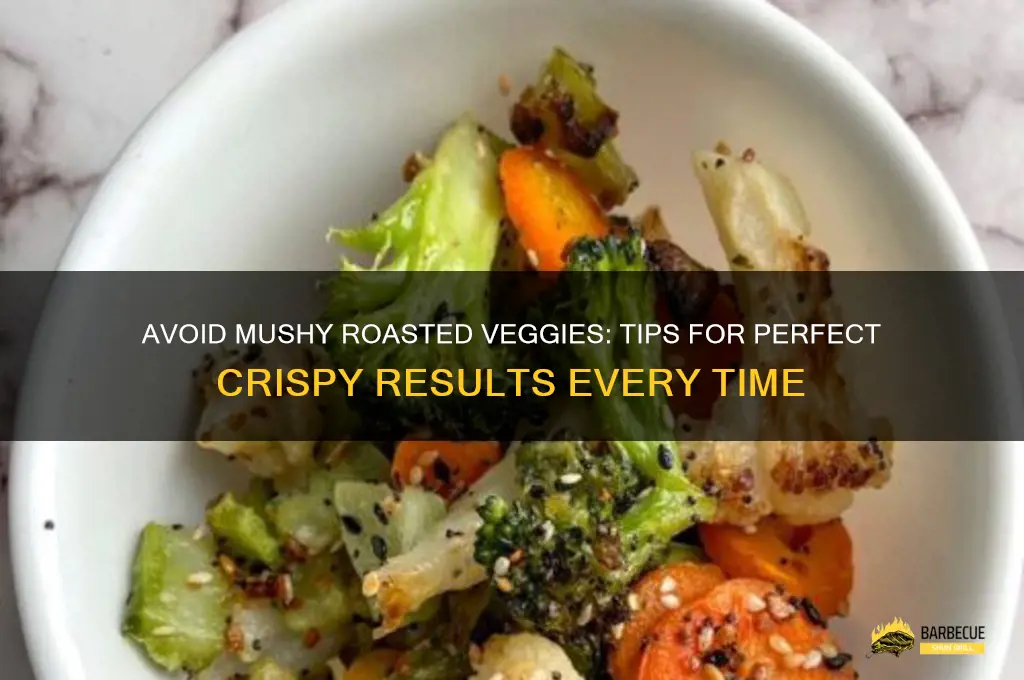
Unlock the Secret to Perfectly Caramelized Roasted Vegetables Every Time
There’s nothing quite as satisfying as a plate of beautifully roasted vegetables – vibrant, tender on the inside, and irresistibly crispy and caramelized on the outside. They make a perfect side dish for virtually any meal, from a simple weeknight dinner to an elegant gathering with company. Yet, many home cooks have experienced the disappointment of a batch that turns out bland, soft, or even worse, mushy. If you've ever wondered why your roasted veggies don't quite achieve that restaurant-quality caramelization, you're not alone. The good news is that achieving perfect roasted vegetables is not a dark art, but rather a science backed by a few simple, yet crucial, techniques. This guide will walk you through the pro tips to transform your vegetable roasting game from "meh" to magnificent, ensuring every bite is a flavor explosion.
The Golden Rules of Heat: Temperature and Preheating
The journey to perfectly caramelized roasted vegetables begins and ends with heat. It’s a common misconception that low and slow will get you there, but when it comes to roasting, high heat is your best friend. Why? Because you're aiming for caramelization, also known as the Maillard reaction – a complex chemical process responsible for the browning and deep, savory flavors we love. This reaction occurs best at higher temperatures.
Optimal Oven Temperature: The Sweet Spot for Browning
Forget the 350°F or 375°F settings for your everyday roasted vegetables. To truly encourage browning without turning your veggies into charcoal, you need a vigorous heat. The ideal temperature range for most vegetables is **400°F to 425°F**. Anything lower, and your vegetables will likely steam and soften before they get a chance to caramelize, leading to that dreaded mushy texture. Go too much higher, say 450°F or more, and you risk burning the outsides before the insides are tender. While some recipes might call for higher temps like 475°F for quick cooking, 425°F offers a more forgiving and consistent path to success for a broader range of vegetables.
Preheat Your Baking Sheet for an Instant Head Start
Just as you wouldn't drop food into a cold skillet on the stovetop and expect an instant sear, the same principle applies to oven roasting. A cold baking sheet acts as a barrier to immediate caramelization. The pro tip here is to **preheat your baking sheet along with your oven**. As your oven comes up to temperature, place your empty baking sheet inside. When you're ready to roast, carefully remove the hot sheet, quickly toss your seasoned vegetables onto it, and return it to the oven. This immediate contact with a scorching hot surface jump-starts the browning process, creating a beautifully crisp exterior much faster and more evenly.
Space, Glorious Space: Avoiding the Steam Trap
One of the most common culprits behind mushy roasted vegetables is overcrowding. It might seem harmless to cram all your prepped veggies onto one sheet pan, but this is a critical mistake. Vegetables, like all fresh produce, contain water. When they're packed too closely together, this moisture gets trapped, creating a steamy environment rather than a dry roasting one. Instead of browning and crisping, your vegetables will essentially steam themselves, becoming soft and rubbery.
The solution is simple: **give your vegetables room to breathe.** Spread them out in a single layer on your baking sheet, ensuring that no pieces are touching or overlapping. If you can't arrange them without contact, it's a clear sign you need to use a second baking sheet. This allows the hot air to circulate freely around each piece, facilitating evaporation and promoting even browning on all sides. Don't be shy about using two or even three sheet pans if necessary – the payoff in texture and flavor is absolutely worth it.
Precision Prep: Uniformity and Density Considerations
Even with the perfect temperature and ample space, unevenly cooked vegetables can still disappoint. The key to consistent tenderness and browning lies in how you prepare your produce.
Cut for Even Cooking
The most important rule for preparing vegetables for roasting is to **cut them into roughly the same size and shape**. This ensures they all cook at approximately the same rate. If you have large chunks alongside tiny pieces, the small ones will burn before the large ones are tender, or the large ones will be undercooked when the small ones are perfect. Aim for bite-sized pieces, generally about one inch. For convenience, feel free to use pre-cut vegetables from the grocery store, but always double-check their size and cut them down further if necessary to match your other ingredients.
Factor in Density
Not all vegetables are created equal when it comes to density and cooking time. Denser root vegetables like carrots, beets, parsnips, and even butternut squash will naturally take longer to cook through than softer vegetables like bell peppers or onions. To account for this:
- For denser vegetables, cut them into slightly smaller pieces (e.g., 3/4 inch) to help them cook faster.
- Alternatively, you can give denser vegetables a head start in the oven for 10-15 minutes before adding quicker-cooking varieties to the same pan.
- When combining a mix of vegetables, selecting those with similar cooking times (e.g., all root vegetables, or all softer vegetables) can simplify the process.
The Flavor Foundation: Seasoning for Success
While proper technique is essential for texture, delicious roasted vegetables also need a robust flavor profile. This is where your chosen fat, acid, and aromatics come into play.
Choose the Right Fat
A good quality fat is crucial for carrying flavor, preventing sticking, and aiding in crisping. Olive oil is a classic choice for its flavor and relatively high smoke point, but avocado oil, grapeseed oil, or even melted ghee can also work well. Ensure your vegetables are **lightly but thoroughly coated** in oil – enough to sheen, but not so much that they're swimming. Typically, 1-2 tablespoons of oil per pound of vegetables is a good starting point.
The Magic of Acid and Herbs
Beyond salt and pepper, adding a touch of acid and fresh herbs can elevate your roasted vegetables from good to gourmet. Balsamic vinegar, as highlighted in the reference, is a fantastic choice. Its sweetness caramelizes beautifully and adds a lovely tang. Lemon juice can offer a brighter, fresher note. When it comes to herbs, fresh rosemary and thyme are powerhouses for roasted dishes, providing earthy, aromatic depth. Don't be afraid to experiment with other herbs like oregano, sage, or even a touch of smoked paprika or garlic powder for extra layers of flavor. For an easy and flavorful blend, check out these balsamic thyme recipe secrets.
Season Generously and Strategically
Don't be shy with salt and freshly ground black pepper! Vegetables need a good amount of seasoning to truly shine. Add garlic or other fresh aromatics partway through roasting (about 10-15 minutes before the end) to prevent them from burning, which can turn bitter.
The Roasting Dance: Flipping, Finishing, and Flexibility
Once your perfectly prepped and seasoned vegetables hit that hot baking sheet, your job isn't quite done. A little intervention during roasting will ensure even caramelization.
Rack Position and Rotation
For most roasting, the **middle oven rack is your go-to position**, as it offers the most even heat distribution. If you're using multiple baking sheets, position them in the middle and upper thirds of the oven. If you have two trays, consider rotating them halfway through the cooking time to ensure everything browns consistently.
The Flip Factor
To encourage browning on multiple sides, make sure to **flip or stir your vegetables during cooking**. A good practice is to toss them gently with a long-handled spatula or wooden spoon every 10-15 minutes. This ensures that different surfaces come into contact with the hot pan, preventing one side from burning while others remain pale. This constant "roasting dance" is crucial for achieving that coveted all-over crispness and caramelization.
Knowing When They're Done
Most roasted vegetables will be perfectly caramelized after **30 to 40 minutes** at 425°F, but this can vary depending on the vegetable type and cut size. Look for deep golden-brown edges and a tender interior – a fork should easily pierce the thickest part of the vegetable. If you prefer them extra crispy, don't hesitate to leave them in for a few extra minutes, keeping a close eye on them to prevent burning.
While you can make these roasted vegetables ahead of time and reheat them, they are truly at their best served fresh from the oven, when their textures are crispest and their flavors most vibrant.
Conclusion: Master Your Roasting Game
From weeknight dinners to holiday feasts, perfectly caramelized roasted vegetables are a versatile and delicious addition to any meal. By understanding and implementing these straightforward pro tips – from optimizing your oven temperature and preheating your sheet pan to ensuring proper spacing, uniform cuts, and thoughtful seasoning – you can banish mushy veggies from your kitchen forever. Embrace the high heat, give your vegetables room to breathe, and don't be afraid to give them a good toss, and you'll be rewarded with a vibrant, flavorful, and wonderfully textured side dish that will impress every time. Happy roasting!
