Unlock Crispy Perfection: The Ultimate Guide to Roasted Vegetables
Roasted vegetables are a culinary marvel – a simple yet profoundly satisfying dish that effortlessly elevates any meal. Whether you're preparing a weeknight dinner for the family or hosting a special gathering, these vibrant, flavorful, and wonderfully caramelized veggies deserve a starring role on your plate. Forget about bland, soggy sides; with the right techniques, you can transform humble produce into an irresistible medley of crispy, tender bites that will have everyone asking for more.Why Roasted Vegetables Deserve a Spot on Your Plate
The appeal of roasted vegetables extends far beyond their delicious taste. They offer a winning combination of versatility, nutrition, and ease that makes them a staple in countless kitchens:- Unmatched Versatility: Roasted vegetables pair beautifully with nearly anything. Serve them alongside a hearty baked chicken, a comforting cheesy casserole, grilled fish, or even toss them into a pasta dish or grain bowl. They seamlessly fit into almost any cuisine or dietary preference.
- Explosion of Flavor: The high heat of roasting coaxes out the natural sugars in vegetables, leading to a magical process called caramelization. This creates a deeply savory, slightly sweet flavor profile and a desirable crispy exterior that can't be achieved with other cooking methods.
- Nutrient Powerhouse: Packed with vitamins, minerals, and fiber, roasted vegetables are a delicious way to boost your daily intake of healthy produce. The vibrant colors often signify a rich array of antioxidants.
- Effortless Preparation: While there's some chopping involved, the active cooking time is minimal. They're largely hands-off once in the oven and can even be prepared ahead of time and gently reheated, making them a fantastic option for meal prep.
Mastering the Art of Roasting: Key Principles for Success
Achieving perfectly crispy, tender, and caramelized roasted vegetables isn't just about throwing them in the oven. It's about understanding a few fundamental principles that make all the difference.The Goldilocks Zone: Ideal Oven Temperature
The ideal temperature is crucial for the Maillard reaction (browning) and caramelization that gives roasted vegetables their incredible flavor and texture. While some recipes suggest very high temperatures, the sweet spot for consistent results, ensuring vegetables cook through without burning, is 425°F (218°C). Any lower, and you risk steaming your vegetables instead of roasting them, leading to a lack of browning. Any higher, and they might char on the outside before becoming tender on the inside.Give Them Space: The Importance of a Single Layer
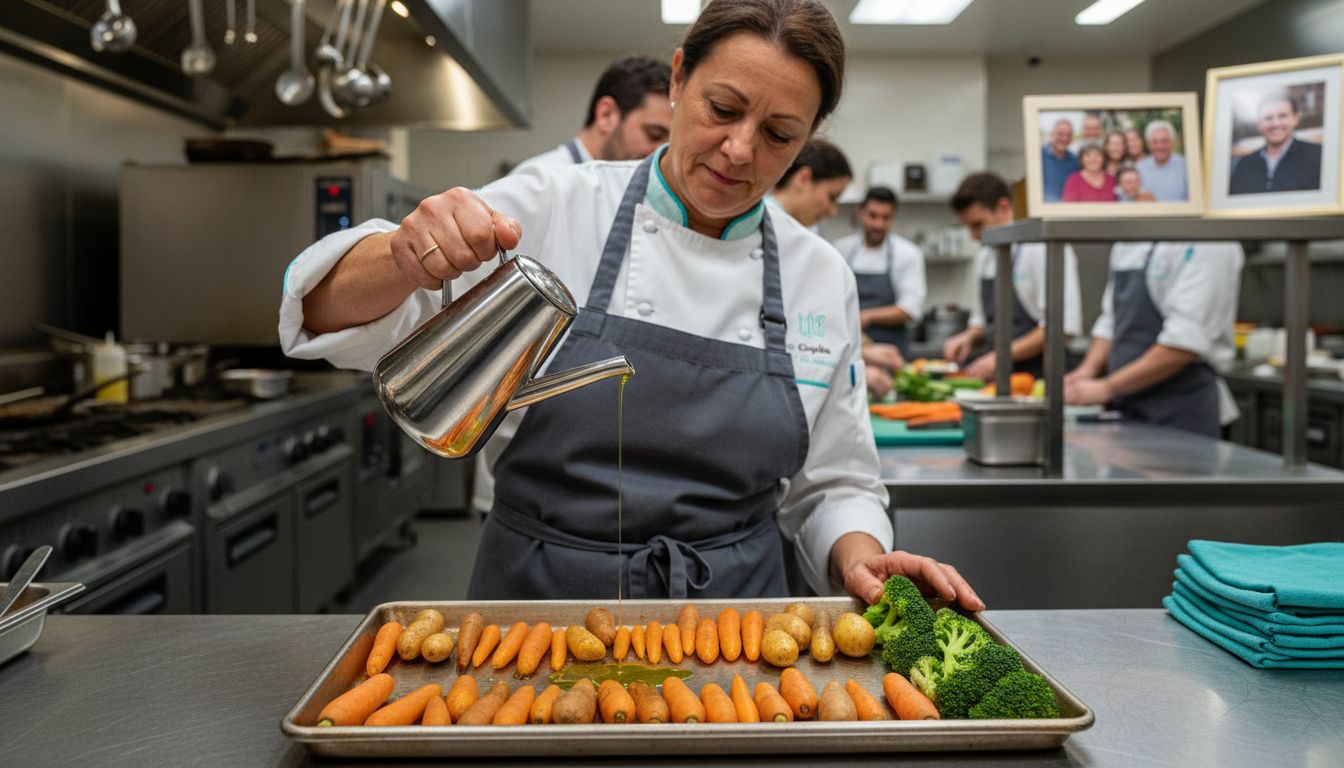
This might be the single most important tip for crispy roasted vegetables. Vegetables need room to breathe! If they are crowded on the baking sheet, touching or stacked, they will release moisture and essentially steam rather than roast. This results in soft, rubbery, or even mushy textures rather than the coveted crispy exterior.How to check? If you can't spread your prepared vegetables in a single, even layer without them touching, it's time to grab a second baking sheet. Don't overcrowd!
Preheat for Perfection: Heating Your Baking Sheet
Just as you preheat a pan for searing meat, preheating your baking sheet is a game-changer for roasted vegetables. Place your empty baking sheet in the oven while it's preheating. When you add your seasoned vegetables to the hot sheet, it jump-starts the cooking process, ensuring immediate browning and a crisper finish.Uniformity is Key: Cutting Your Vegetables Evenly
For even cooking, cut your vegetables into roughly the same size and shape. Aim for bite-sized pieces, typically around an inch. This ensures that all pieces cook at a similar rate, preventing some from being burnt while others are still raw.Pro Tip: Consider the density of your vegetables. Denser root vegetables like carrots, beets, or butternut squash will take longer to cook than softer ones like bell peppers or zucchini. If combining a variety, you might cut the denser ones slightly smaller or add them to the pan a few minutes earlier. For more detailed advice on avoiding soggy results, check out our guide on Avoid Mushy Veggies: Pro Tips for Perfectly Caramelized Roasting.
Middle Ground: Oven Rack Placement
For most roasting, the middle oven rack is your best friend. It provides the most even heat distribution, ensuring your vegetables brown consistently without one side getting too much direct heat. If you're using multiple baking sheets, position racks in the middle and upper thirds and rotate them halfway through cooking.Don't Forget to Flip: Even Browning
The Perfect Blend: Flavor Profiles and Ingredient Choices
While the technique is paramount, the choice of vegetables and seasoning lays the foundation for truly delicious roasted vegetables.Selecting Your Stars: Vegetable Choices
The beauty of roasted vegetables lies in their adaptability. Some classic favorites include:- Root Vegetables: Butternut squash, sweet potatoes, potatoes (Russet, Yukon Gold), carrots, parsnips, beets.
- Cruciferous Vegetables: Broccoli florets, cauliflower florets, Brussels sprouts.
- Alliums: Onions (red, yellow), shallots.
- Other Favorites: Bell peppers (any color), zucchini, asparagus, cherry tomatoes (add these towards the end as they cook quickly).
The Flavor Foundation: Seasoning Essentials
The magic truly happens when you combine quality ingredients with the right technique.- Oil: A good quality olive oil is essential. It helps conduct heat, promotes browning, and carries the flavors of your seasonings. Don't be shy – a generous coating is necessary.
- Acidity: Balsamic vinegar adds a wonderful depth, tang, and contributes to the beautiful caramelization. A splash of fresh lemon juice can also brighten the flavors.
- Herbs: Fresh herbs truly elevate the dish. Rosemary and thyme are classic choices that pair incredibly well with most vegetables. Feel free to experiment with oregano, sage, or a mix of Italian herbs. Dried herbs can also be used, but fresh often offers a more aromatic punch.
- Salt and Pepper: These are non-negotiables. Use good quality sea salt or kosher salt and freshly ground black pepper to taste. You can also finish with a sprinkle of flaky sea salt for an extra touch.
- Beyond the Basics: Don't limit yourself! A pinch of garlic powder, onion powder, paprika (smoked paprika adds a lovely dimension), or even chili flakes can add layers of flavor. For a deep dive into creating irresistible flavor combinations, explore our article on Easy & Flavorful Roasted Vegetables: Balsamic Thyme Recipe Secrets.
Step-by-Step to Crispy Perfection
Ready to create your own batch of irresistible roasted vegetables? Here’s a simplified process to guide you:- Preheat & Prepare: Preheat your oven to 425°F (218°C). Place your empty baking sheet(s) inside to get hot while the oven comes to temperature.
- Chop & Combine: Wash and chop your chosen vegetables into roughly 1-inch, uniform pieces. In a large bowl, combine the chopped vegetables.
- Season Generously: Drizzle the vegetables with olive oil, balsamic vinegar, fresh rosemary, fresh thyme, salt, and freshly ground black pepper. Toss well with your hands or a large spoon until every piece is evenly coated.
- Spread & Roast: Carefully remove the hot baking sheet(s) from the oven. Spread the seasoned vegetables in a single, uncrowded layer on the hot sheet(s).
- Roast to Perfection: Roast for 35 to 40 minutes, stirring and flipping the vegetables every 15 minutes, until they are tender-crisp and beautifully caramelized with golden-brown edges. For even crispier results, you can leave them in for an extra 5-10 minutes, keeping a close eye on them.
- Serve & Enjoy: Remove from the oven and serve immediately as a vibrant side dish or incorporate them into your main course.
