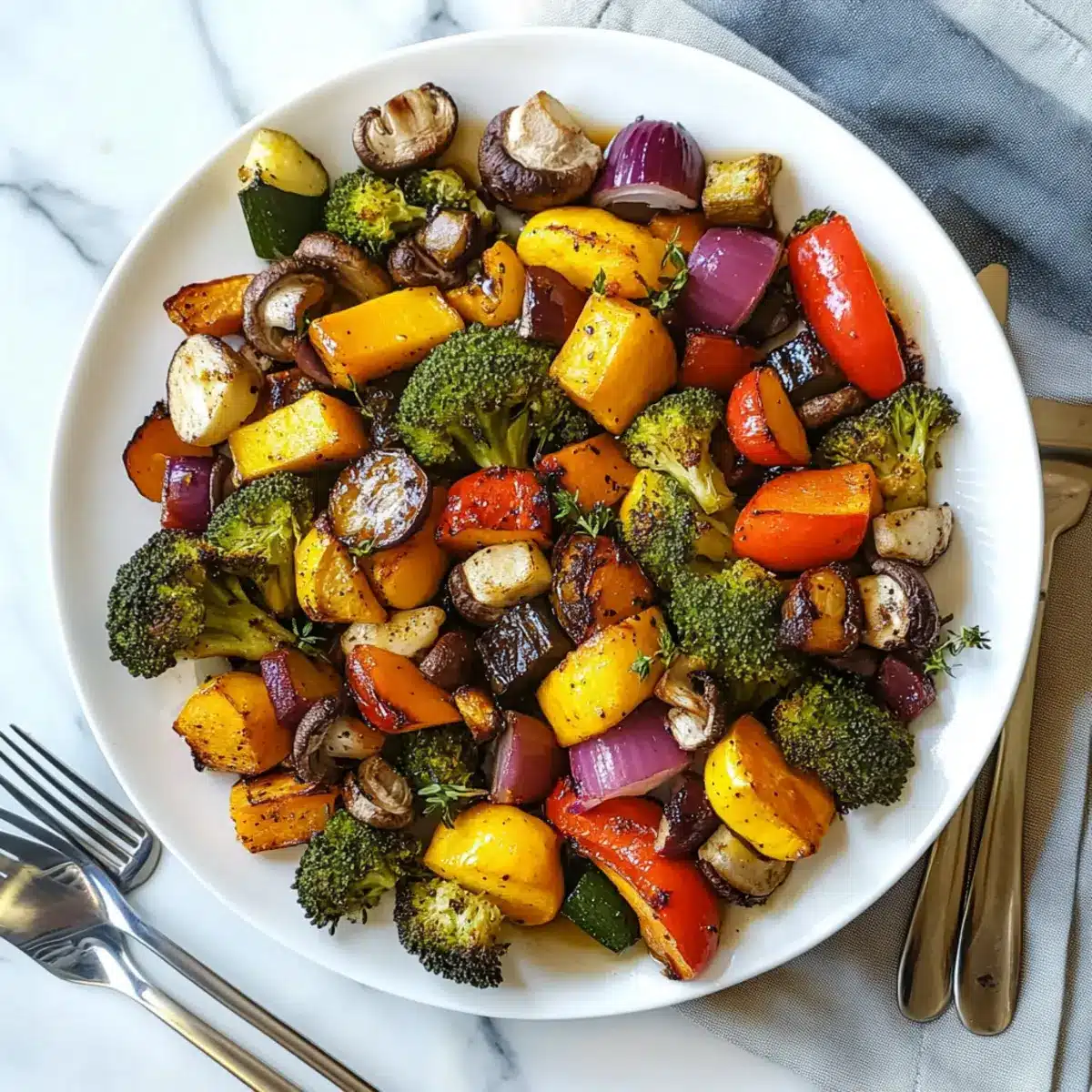
Easy & Flavorful Roasted Vegetables: Balsamic Thyme Recipe Secrets
There's something uniquely satisfying about a platter of perfectly
roasted vegetables. They transform simple ingredients into a vibrant, flavorful, and incredibly versatile dish that can elevate any meal. Whether you're feeding a bustling family or hosting an elegant dinner party, these caramelized gems are a guaranteed crowd-pleaser. Forget bland, watery veggies – we're diving into the secrets of creating
roasted vegetables that are crispy on the outside, tender on the inside, and bursting with the irresistible tang of balsamic vinegar and the earthy aroma of fresh thyme. This isn't just a recipe; it's a guide to mastering the art of roasting.
Why Roasted Vegetables Are a Kitchen Essential
The beauty of
roasted vegetables lies not only in their incredible taste but also in their adaptability. They seamlessly transition from a simple weeknight side dish to a sophisticated accompaniment for a holiday feast. Imagine tender, sweet potatoes mingling with crisp bell peppers and savory onions, all infused with rich flavors. They pair perfectly with everything from a simple baked chicken or grilled fish to a hearty lentil stew or a cheesy casserole.
Beyond their culinary flexibility,
roasted vegetables are a nutritional powerhouse. Roasting brings out their natural sweetness, making them more appealing, especially for picky eaters. The high heat caramelizes their sugars, creating a depth of flavor that steaming or boiling simply can't achieve. This caramelization is the magic touch, transforming ordinary vegetables into something extraordinary – colorful, tasty, and full of character. Plus, once you master a few simple techniques, the process itself is surprisingly easy, making them a fantastic option for meal prep or last-minute additions to your menu.
The Balsamic Thyme Secret: Flavor Profile & Ingredient Spotlight
The star of this recipe is the incredibly harmonious flavor combination of balsamic vinegar and fresh thyme. Balsamic vinegar lends a beautiful acidity, a touch of sweetness, and a complex depth that perfectly complements the earthiness of the vegetables. As it roasts, it slightly reduces and glazes the vegetables, contributing to that coveted caramelized exterior. Fresh thyme, with its delicate, peppery, and slightly minty notes, adds an aromatic layer that brightens the entire dish. While thyme is central, a sprig or two of fresh rosemary can also be a wonderful addition, offering a more robust, piney fragrance that pairs beautifully with root vegetables.
For this recipe, we recommend a colorful medley of vegetables that roast wonderfully together. Our top picks include:
- Butternut Squash: Offers a creamy texture and sweet, nutty flavor.
- Potatoes: Classic and comforting, providing a satisfying starchiness.
- Sweet Potatoes: Adds another layer of sweetness and a vibrant orange hue.
- Bell Peppers: Red, yellow, or orange bell peppers contribute sweetness and a lovely crisp-tender bite.
- Onions: Yellow or red onions sweeten and soften, adding essential aromatic depth.
- Optional Additions: Carrots, parsnips, Brussels sprouts, or even broccoli florets can be wonderful additions, just be mindful of their density and adjust cutting sizes accordingly.
The simplicity of the seasoning—good quality olive oil, salt, and freshly ground black pepper—allows the natural flavors of the vegetables and the balsamic thyme blend to truly shine.
Mastering the Roast: Tips for Crispy, Caramelized Perfection
Achieving perfectly
roasted vegetables isn't just about throwing them in the oven. There are a few crucial techniques that separate "meh" results from truly sublime ones. As an experienced cook knows, even seemingly minor details can make all the difference.
Uniformity is Key: The Art of Cutting Vegetables
Perhaps the most fundamental rule for successful roasting is to cut your vegetables into roughly the same size. Why? Because it ensures even cooking. If you have tiny pieces alongside large chunks, the small ones will burn before the large ones are tender. Aim for bite-sized pieces, generally about an inch in size.
Consider the density of your vegetables:
- Denser root vegetables like butternut squash, potatoes, sweet potatoes, and carrots take longer to cook. If you're including them with softer vegetables like bell peppers or zucchini, cut the denser ones slightly smaller to help them cook at a similar rate.
- Softer vegetables like bell peppers or zucchini can be cut a little larger as they cook more quickly.
To save time, many grocery stores offer pre-cut butternut squash. If using these, simply cut them down further if the pieces are too large to ensure uniformity.
The Right Environment: Oven Temperature and Baking Sheets
The ideal oven temperature is paramount for achieving that coveted caramelized exterior without turning the inside to mush. We recommend setting your oven to
425°F (220°C). This temperature is hot enough to promote browning and caramelization efficiently, yet forgiving enough to prevent burning before the vegetables are cooked through. While some recipes suggest 475°F for very quick crisping, 425°F offers a more consistent and foolproof result for most home cooks.
Another game-changing tip is to
preheat your baking sheet. Just as you preheat a pan on the stovetop, placing your empty baking sheet in the oven while it heats up gives your vegetables a head start on browning the moment they hit the hot surface. This immediate sear helps create that beautiful crispy crust.
Lastly, and critically, do not crowd your baking sheet! This is one of the most common pitfalls. If vegetables are touching or stacked, they will steam rather than roast, resulting in soggy, rubbery, or mushy textures. You need enough space for the hot air to circulate freely around each piece. If you can't spread your vegetables in a single, even layer without them touching, it's time to grab a second baking sheet. For more in-depth advice on this, check out our guide on
Avoid Mushy Veggies: Pro Tips for Perfectly Caramelized Roasting. For most roasting, position your oven rack in the middle for the best, most even heat distribution.
The Tossing Technique: Ensuring Even Browning
To ensure every surface of your vegetables gets beautifully browned and caramelized, you'll need to toss them during cooking. About halfway through the roasting time (around the 20-minute mark), carefully remove the baking sheet from the oven (using oven mitts!) and use a long-handled utensil like a silicone spatula or wooden spoon to flip and stir the vegetables. This exposes different sides to the direct heat of the pan, promoting even crispness and color.
The Magic Marinade: Oil, Vinegar, Herbs & Seasoning
The simple coating is what transforms raw vegetables into a flavor sensation.
- Olive Oil: A good quality olive oil is essential. It helps conduct heat, preventing sticking and promoting crispiness. Don't be shy – enough oil ensures a good coating on all vegetables.
- Balsamic Vinegar: As discussed, this adds a rich, tangy sweetness that caramelizes beautifully.
- Fresh Herbs: Finely chopped fresh thyme and rosemary infuse the vegetables with their aromatic oils.
- Salt & Pepper: These fundamental seasonings enhance all the other flavors. Use a generous hand with kosher salt and freshly ground black pepper.
Combine all your cut vegetables in a large bowl. Drizzle with the olive oil, then the balsamic vinegar. Sprinkle with the fresh herbs, salt, and pepper. Toss everything thoroughly with your hands or a large spoon until every piece is evenly coated. This ensures maximum flavor distribution and even cooking.
Step-by-Step: Your Path to Perfect Balsamic Thyme Roasted Vegetables
Ready to put these tips into practice? Here's how to create your own irresistible batch of Balsamic Thyme
Roasted Vegetables:
- Prep the Veggies: Wash, peel (if necessary), and cut all your chosen vegetables into uniform, approximately one-inch pieces. Remember to adjust sizes based on density.
- Preheat Oven & Sheet: Position an oven rack in the middle and preheat your oven to 425°F (220°C). Place your empty, clean baking sheet(s) in the oven to preheat along with it.
- Toss & Season: In a large mixing bowl, combine the prepared vegetables. Drizzle generously with 2-3 tablespoons of olive oil, 1-2 tablespoons of balsamic vinegar, 1-2 tablespoons of finely chopped fresh thyme (and optionally rosemary), 1 teaspoon of kosher salt, and ½ teaspoon of black pepper. Toss well to ensure every piece is coated.
- Spread & Roast: Carefully remove the hot baking sheet(s) from the oven. Spread the seasoned vegetables in a single, even layer, ensuring they are not crowded. If necessary, use a second baking sheet.
- Flip & Finish: Roast for 35 to 40 minutes. After about 20 minutes, use an oven mitt and a long-handled utensil to carefully flip and stir the vegetables, ensuring even browning. Continue roasting until the vegetables are tender, beautifully caramelized, and slightly crispy on the edges. If you desire extra crispiness, roast for another 5-10 minutes, keeping a close eye on them.
Once done, remove from the oven and serve immediately!
Troubleshooting & Advanced Tips
Even with the best instructions, sometimes things go awry. Here's how to handle common issues and elevate your roasting game:
- Mushy Vegetables: If your veggies turn out soft and watery rather than crispy, it's likely due to overcrowding the pan, an oven temperature that's too low, or insufficient oil. Remember, space is key for roasting, not steaming! For more solutions, revisit our article: Avoid Mushy Veggies: Pro Tips for Perfectly Caramelized Roasting.
- Not Crispy Enough? Ensure your oven temperature is correct, your baking sheet was preheated, and you used enough oil. Flipping halfway through is also crucial. Sometimes, a quick broil for the last minute or two can add extra crispness, but watch carefully to prevent burning. If you're chasing that ultimate crunch, learn more in Unlock Crispy Perfection: The Ultimate Guide to Roasted Vegetables.
- Meal Prep & Leftovers: These roasted vegetables are fantastic for meal prepping! Cook a large batch, let them cool completely, then store them in an airtight container in the refrigerator for up to 3-4 days. Reheat gently in the oven or microwave, though they'll be best when freshly roasted.
- Variations: Experiment with other herbs like oregano or marjoram. A pinch of red pepper flakes adds a subtle kick, or a drizzle of maple syrup or honey during the last 10 minutes of roasting can enhance sweetness and deepen caramelization.
- Serving Suggestions: Serve them as a vibrant side to almost any protein, toss them into a grain bowl for a healthy lunch, fold them into a warm salad with feta and walnuts, or even blend them into a creamy soup.
Conclusion
Making delicious, perfectly caramelized
roasted vegetables is an accessible culinary skill that delivers immense rewards. By understanding the importance of uniform cuts, optimal oven temperature, proper spacing, and the right combination of flavors, you can consistently achieve results that are far from "meh." The Balsamic Thyme combination is a timeless classic, offering a harmonious blend of tang, sweetness, and earthy aromas. So, gather your favorite vegetables, apply these simple yet powerful techniques, and prepare to enjoy a dish that's as easy to make as it is incredibly flavorful and satisfying. Happy roasting!